
Before You Believe the Doomers, Read These 7 Data Points on Housing Affordability

Housing is expensive.
Mortgage rates are higher than they were in early 2020.
Home prices in San Antonio have risen.
And rent hasn’t exactly been a bargain either.
So when a bold graphic or viral chart shows up in your feed confirming that frustration, it’s easy to assume that’s the whole story.
But it isn’t.
Because affordability isn’t just about home prices. It’s influenced by mortgage rates, wage growth, housing inventory, negotiating power, and local supply here in the San Antonio housing market. And over the past several months, many of those pieces have started moving in a better direction.
So before making a major decision based on a social media post, let’s look at what the data actually says — and how it applies to real people buying, selling, and renting homes in San Antonio, Texas.
1. Mortgage Rates Have Eased — And Refinancing Is Back on the Table in San Antonio
Mortgage rates matter more than almost anything else when it comes to monthly payments.
As of mid-February, the average 30-year fixed rate sits around 6.05%. That’s still higher than the ultra-low rates of 2020–2022, but it’s meaningfully lower than the near-7% levels we saw not long ago.
That shift matters for homeowners and buyers across San Antonio and the surrounding Hill Country communities.
In early January alone, falling rates opened up refinance opportunities for nearly five million homeowners nationwide. Many homeowners in San Antonio may now qualify for meaningful monthly savings.
What this means locally:
If you already own a home in San Antonio, even a small rate drop could make refinancing worth exploring.
If you’re planning to buy, the difference between 6.8% and 6.0% can change your monthly payment more than a modest price adjustment.
Because property taxes, insurance, and HOA fees vary by area, your true affordability in the San Antonio real estate market depends on local numbers — not national averages.
2. The Buy vs. Rent Gap Is Smaller in the San Antonio Market
For a while, buying felt completely out of reach for many renters. But that gap has begun to narrow — including here in San Antonio.
Nationally:
-
Buyers need about $111,000 in annual income to afford a typical home.
-
Renters need about $76,000 to afford a typical apartment.
That $35,000 gap is still meaningful, but it’s the smallest it’s been in three years.
In the San Antonio rental market, rents have stabilized, inventory has improved, and buyer negotiating power has increased. That means the difference between renting and owning is no longer as dramatic as it was in 2022.
If you’re currently renting in San Antonio, the real question isn’t “Is housing expensive?” — it is.
The better question is “Does renting or buying make more sense long-term in San Antonio?”
3. Monthly Payments Fell in 2025 — Including for San Antonio Homebuyers
In 2025, homebuyer affordability improved 7.5% nationwide, and the median mortgage payment dropped to $2,025 — down $102 per month.
That savings matters for many San Antonio buyers, especially when paired with slower price growth and increased inventory.
And importantly, housing payments now take up a slightly smaller share of household income than they did last year — giving San Antonio families more breathing room.
4. Renters in San Antonio Are Finally Seeing Some Relief
If you’re renting in San Antonio, you’ve likely felt the squeeze the past few years.
But conditions are shifting.
More apartment communities and single-family rentals have come online. Vacancy rates have increased. And landlords are now offering concessions — something almost unheard of just two years ago.
In many parts of San Antonio, renters now have leverage when negotiating renewals, deposits, and lease terms.
If your lease is coming up, it may be worth discussing better pricing or incentives instead of automatically accepting renewal increases.
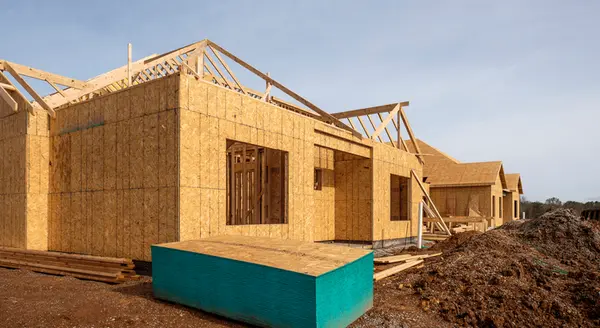
5. San Antonio Home Builders Are Offering Price Cuts and Incentives
New construction is becoming increasingly competitive across San Antonio and surrounding communities.
In late 2025, nearly 1 in 5 new homes nationwide saw price reductions, and many San Antonio builders are offering:
-
Mortgage rate buydowns
-
Closing cost credits
-
Design upgrades
These incentives can significantly impact affordability — often more than small price cuts on resale homes.
If you’ve only been looking at resale homes in San Antonio, expanding your search to include new construction may unlock better deals and monthly payments.
6. Buyers Have More Negotiating Power in the San Antonio Housing Market
For the first time in years, buyers in San Antonio aren’t competing with 10+ offers on every home.
Inventory levels have risen. Homes are sitting longer. Price reductions are more common. And sellers are more open to negotiation.
This shift gives San Antonio buyers:
-
More time to think
-
More options
-
More leverage
-
Better contract terms
If you paused your home search during the frenzy of 2021–2022, today’s San Antonio real estate market looks very different.
7. No One Is Predicting a Housing Crash in San Antonio
Despite social media rumors, economists are not forecasting a housing crash — nationally or in San Antonio.
Price projections for 2026 range from -0.3% to +4.3%, suggesting stability rather than collapse.
Mortgage rates are expected to average 6.0%–6.5%, and home sales are projected to rise.
That points to a market recalibrating — not breaking.
The Full Picture: San Antonio Housing Is Tight, Not Broken
Yes, homes in San Antonio are more expensive than they were a few years ago.
Yes, rates are higher.
Yes, rent climbed.
But here’s what often gets left out:
-
Rates have eased
-
Monthly payments declined
-
Rent growth slowed
-
Builders are offering incentives
-
Buyers now have leverage
-
No crash is forecast
Affordability remains a challenge — but conditions in the San Antonio housing market are improving.
What This Means for You in San Antonio
Whether you're buying, selling, refinancing, or renewing a lease in San Antonio, the most important numbers are:
-
Your income
-
Your goals
-
Your timeline
-
Your local neighborhood data
That’s a far more useful conversation than reacting to viral headlines.
If you’d like help understanding what’s happening specifically in your part of San Antonio, I’m happy to walk through the numbers with you.
Categories
Recent Posts








GET MORE INFORMATION