
Homebuyers Don’t Care As Much About These 5 Details As You Might Think.
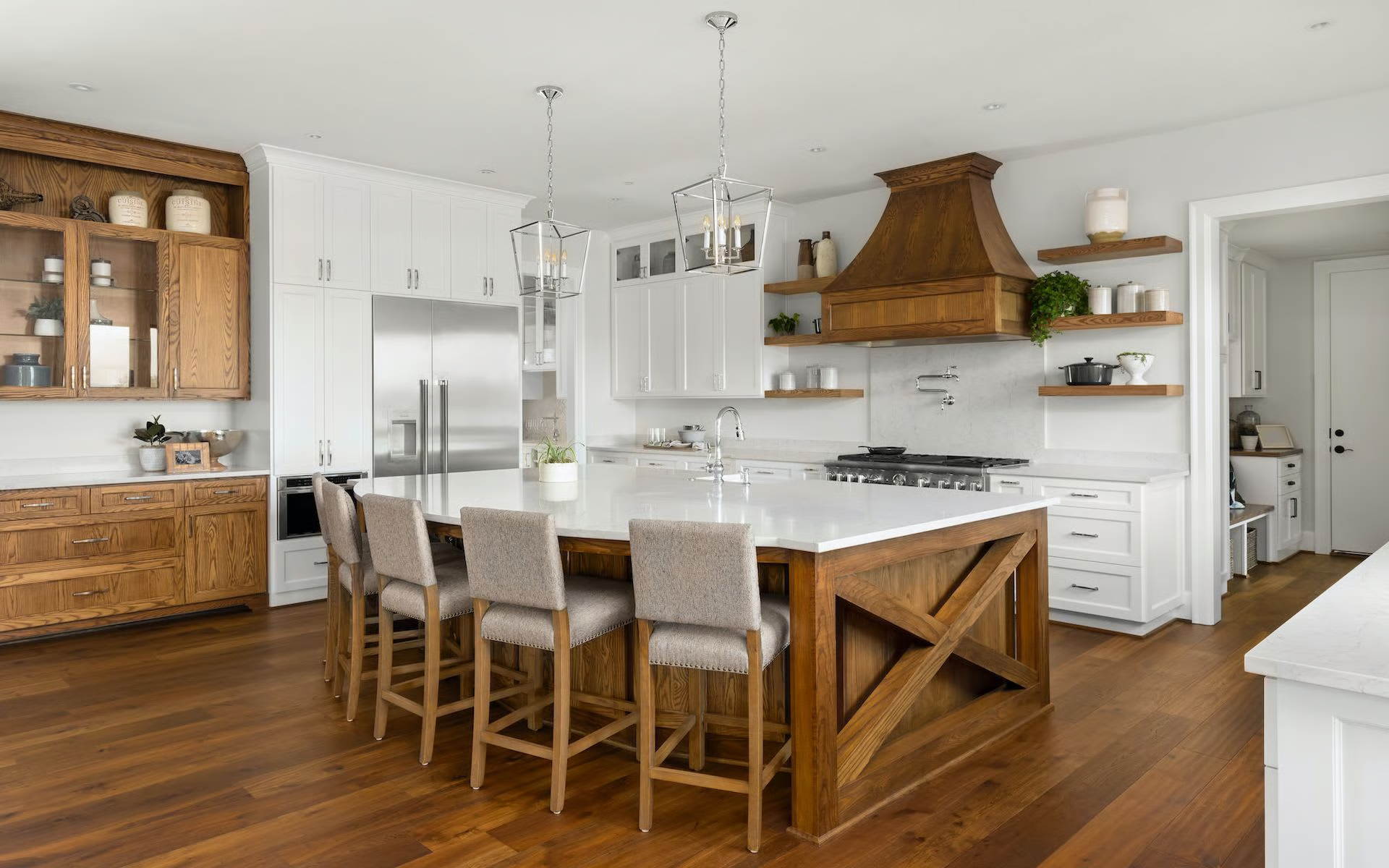
Most sellers start with good intentions. You want your home to look its absolute best before listing, so naturally, you start researching what to fix before selling. You skim a few articles, scroll through renovation photos, and before you know it, it feels like your entire home needs an upgrade.
The list grows quickly.
New paint.
New floors.
New counters.
New fixtures.
Before long, selling your home starts to feel more like a full renovation project than a move. But here’s the truth many sellers don’t hear until they’ve already spent thousands of dollars:
Buyers often care far less about cosmetic details than sellers expect.
And focusing on the wrong improvements can cost you valuable time, money, and momentum in today’s market.
Let’s break down what buyers usually don’t prioritize — and what truly influences their decision instead.
5 Things Buyers Rarely Care About (As Much As Sellers Think)
1. Your Personal Style
You might love your bold accent walls, custom wallpaper, or unique design choices. However, most buyers walk into a home imagining how they would live there.
Buyers typically aren’t falling in love with décor. They’re falling in love with:
-
Space
-
Natural light
-
Layout and functionality
-
Flow between rooms
Highly personalized design choices can sometimes make it harder for buyers to picture themselves in the home.
2. Small Cosmetic Upgrades
Many sellers assume every upgrade adds equal resale value. Unfortunately, that’s rarely how buyers evaluate homes.
Features like:
-
New cabinet hardware
-
Mid-range appliances
-
Trendy backsplashes
-
Minor landscaping upgrades
…are often seen as nice bonuses rather than reasons to pay a higher price.
What buyers pay closer attention to is how your home compares overall to similar properties in your area, especially when it comes to major systems and long-term maintenance.
3. Highly Customized Features
Custom features can feel luxurious and meaningful to homeowners. But to buyers, they can sometimes feel restrictive.
Examples include:
-
Wine rooms
-
Built-in aquariums
-
Themed offices or specialty rooms
Instead of seeing added value, buyers may wonder how expensive it will be to convert those spaces back into something more practical.
Most buyers prefer homes with flexible, multi-purpose spaces that can adapt to their needs over time.
4. Minor Imperfections
It’s common for sellers to worry about every small flaw, such as:
-
Small wall cracks
-
Slightly worn flooring
-
Outdated light fixtures
-
Minor scuffs or scratches
In reality, most buyers expect a certain level of normal wear and tear. These small issues rarely stop someone from making an offer.
What buyers do focus on is the overall health and safety of the home.
5. How Much Money You’ve Invested
It’s completely understandable to think, “I’ve put so much into this home, it has to be worth more.” But buyers don’t evaluate a home based on what you spent — they evaluate it based on the market.
Home values are driven by:
-
Comparable sales in the area
-
Location
-
Supply and demand
-
Current market conditions
Even well-intentioned upgrades don’t always translate into higher resale value if they don’t align with what buyers prioritize.
So What Do Buyers Actually Care About?
At the end of the day, buyers are asking one simple question:
“Is this home worth the price compared to my other options?”
Their decision usually centers around:
-
Location and neighborhood desirability
-
Functional layout and usable space
-
Condition of major home systems
-
Pricing relative to the current market
-
Long-term investment potential
What Makes Buyers Walk Away?
While cosmetic issues often lead to negotiations, major property concerns can quickly stop a deal altogether.
The biggest red flags for buyers typically include:
-
Roof damage or obvious signs of heavy wear
-
Water damage, leaks, or moisture issues
-
Foundation cracks or uneven flooring
-
Major electrical or plumbing problems
-
HVAC systems near the end of their lifespan
-
Fire damage or strong lingering smoke odors
These types of issues create uncertainty and fear of expensive future repairs, which can cause buyers to move on to the next property.
The Takeaway for Sellers
Homes don’t need to be perfect to sell successfully. What they need is to feel clean, solid, and well-maintained.
Most buyers are perfectly happy updating paint colors, fixtures, and finishes over time. What they don’t want are unexpected repair surprises or structural concerns after they move in.
If you’re considering selling this spring, one of the smartest strategies is often getting your home on the market sooner with thoughtful preparation — rather than spending months chasing upgrades that may not significantly change your final sale price.
Categories
Recent Posts








GET MORE INFORMATION